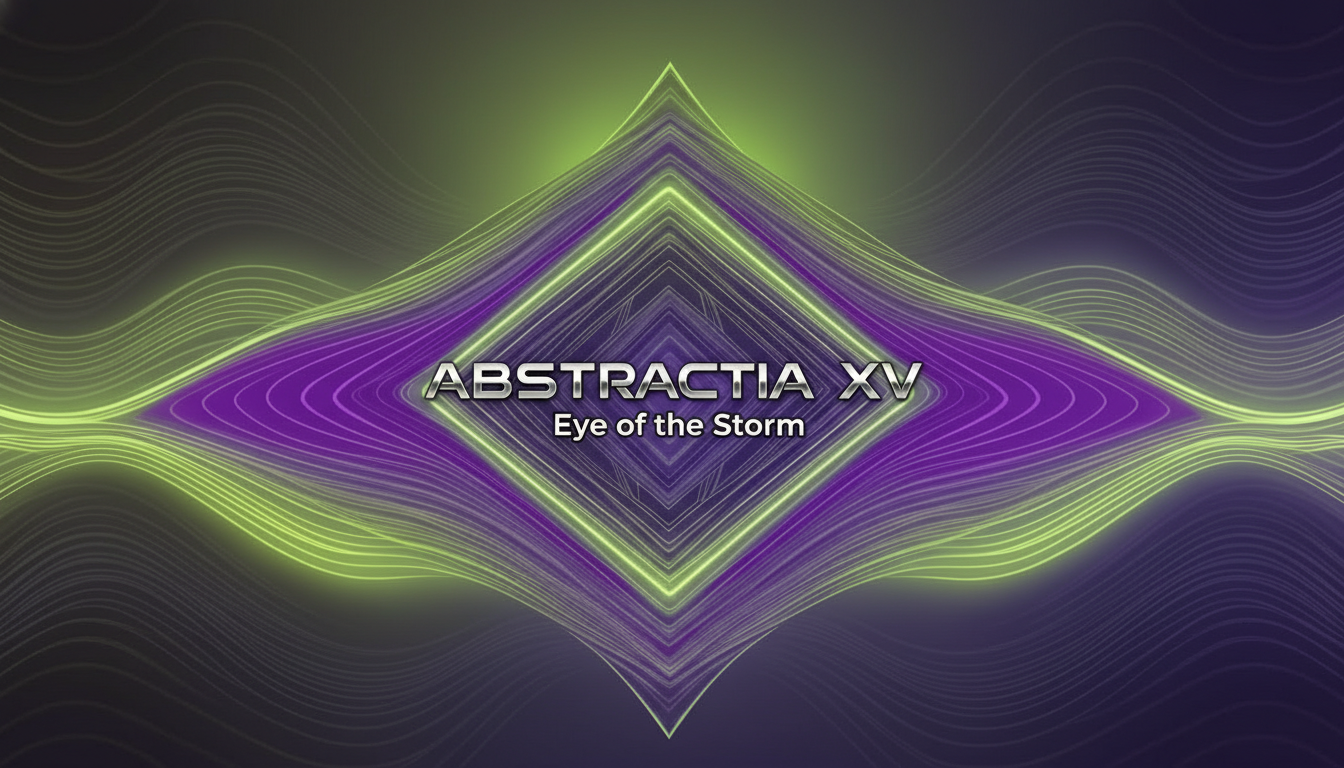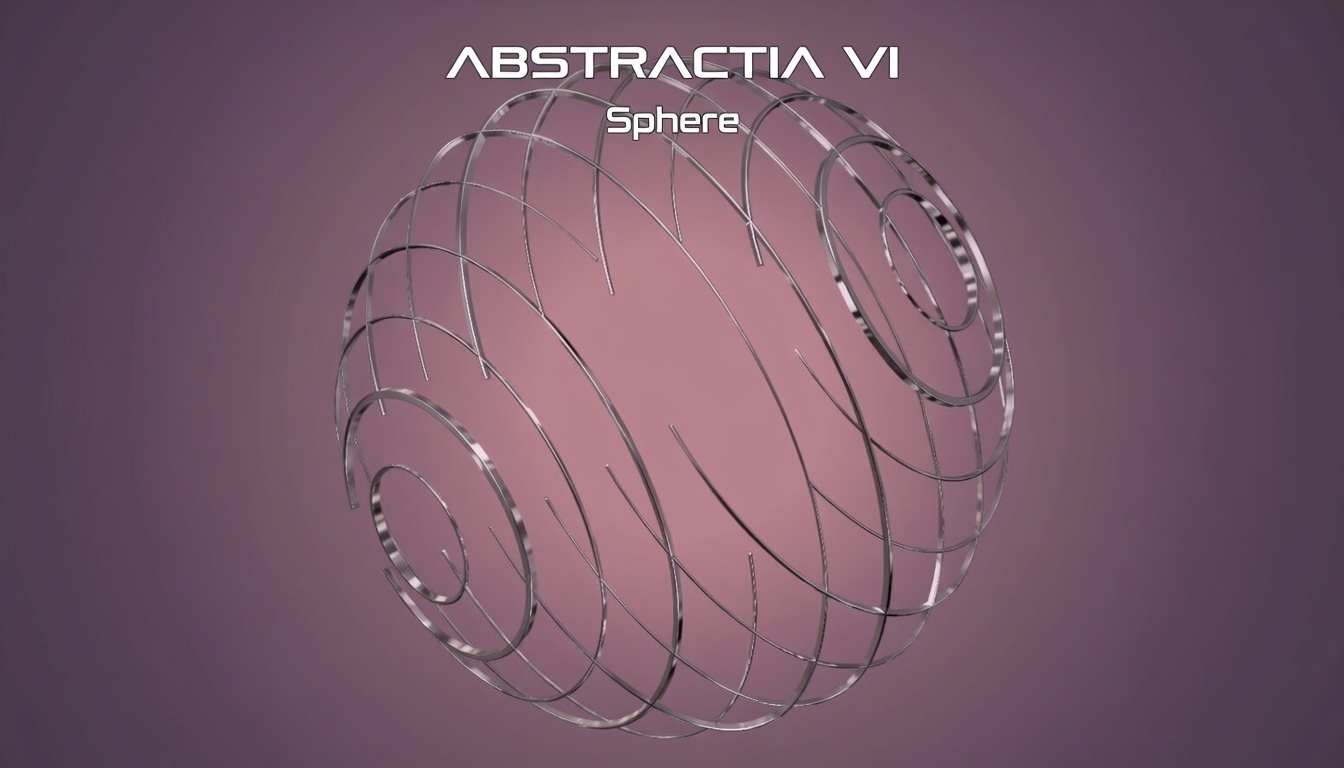
Time-based
In this work, time-based means the artwork has behaviors that change according to the clock — not random, not “just an effect,” but a built-in part of the piece’s identity.
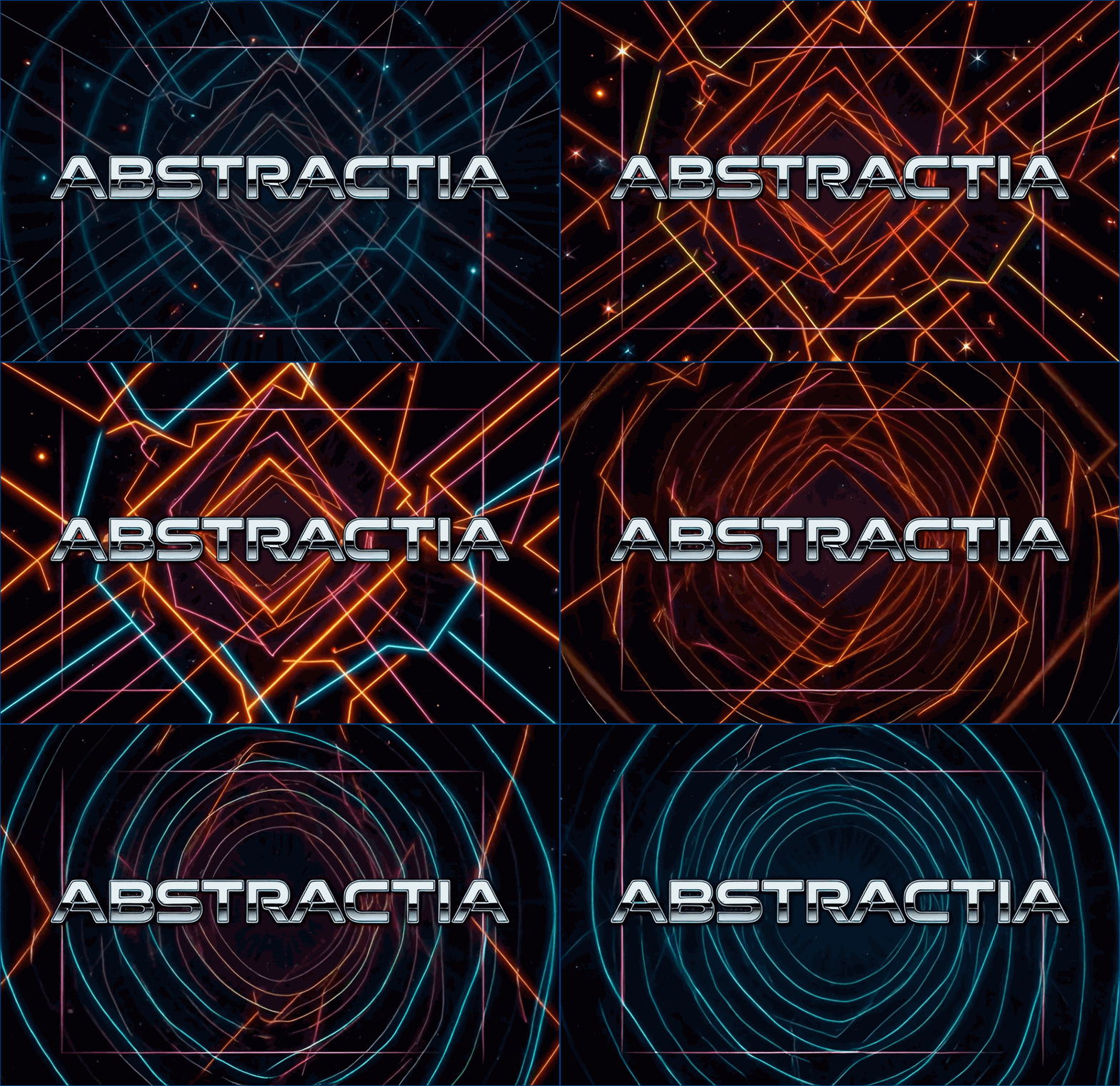
The easiest way to see it is the color shift: at specific times, the palette transitions and the scene “re-moods” itself. That shift isn’t a new artwork and it isn’t a separate file. It’s the same piece moving through a scheduled state, like lighting cues in a performance.
What that does, artistically:
It makes the artwork a living object. You can visit it at different times and get a different atmosphere from the same completed work.
It turns collecting into a relationship, not a screenshot. The piece has rhythms. It rewards return visits and attention.
It creates ritual. The time-based shift (like the 4:20 change) becomes a recurring moment the work “does” — a predictable transformation you can catch, share, and experience.
So “time-based” here means the artwork includes a clock-driven layer of meaning: color is treated as behavior, and behavior is treated as part of the composition.
Interactive
In this piece, “Interactive” means the artwork responds directly to you in real time, using the interface as part of the art itself.
More specifically for this work:
When you press Interactive Menu (I), you’re not just opening settings—you’re opening the control surface of the piece.
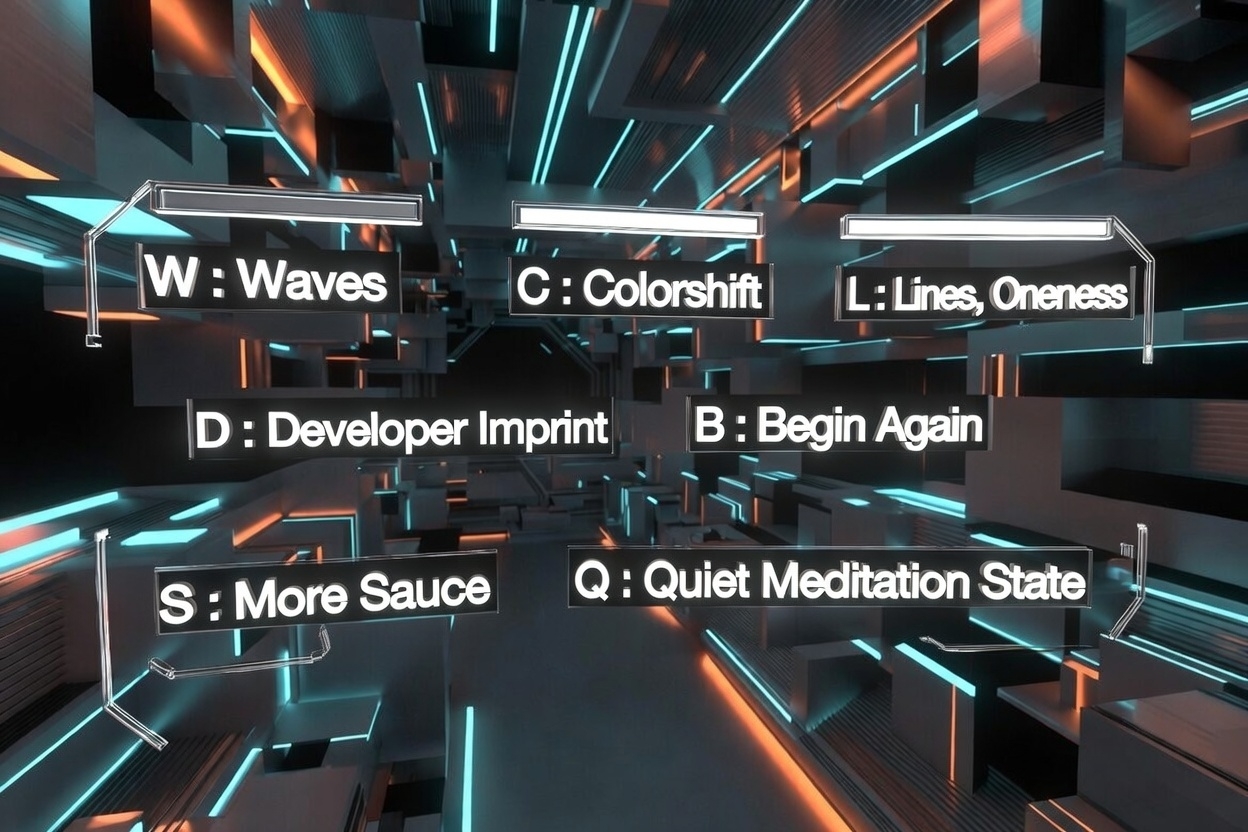
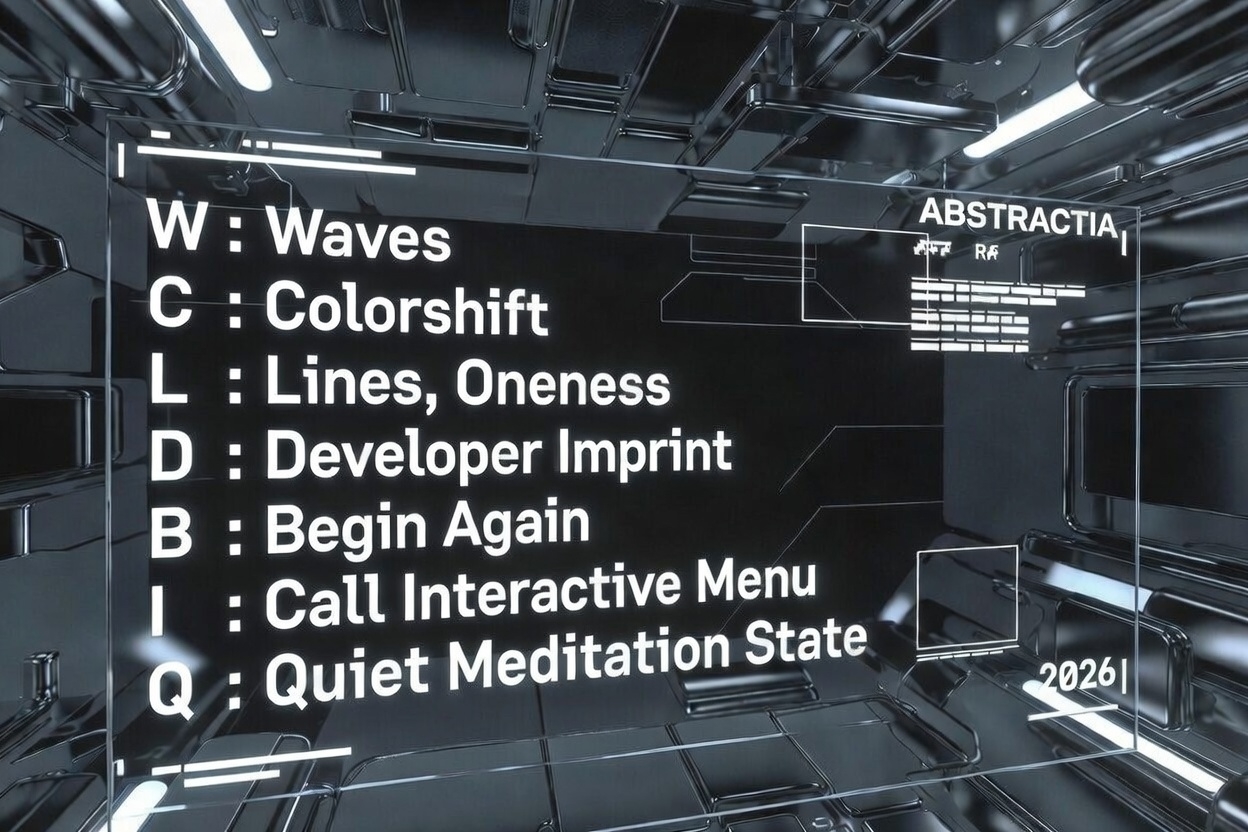
Each command (A, C, Q, B) is a deliberate artistic gesture, not a utility switch. Your input tells the work which version of itself to show you:
I – Interactive Menu reveals the interface as an aesthetic object, not just a tool.
A – Alternate Visual View shifts you into a different visual state of the same world.
C – Call Companion brings in the companion visual view, changing how the scene is framed and felt.
Q – Quiet Mode changes the sensory load so the experience becomes more meditative.
B – Return to Beginning brings the work back to its opening state so you can experience the sequence again.
Here, interactive means your choices are woven into the structure of the artwork: the timing, the mood, and the visuals are all shaped by when and how you touch it. The piece is finished, but the path through it is co-authored by you.
Dynamic
This work is complete in the way a song is complete: it has a finished form, a finished intent, and a finished identity. You’re not buying a draft. You’re buying the canonical piece.
It’s also dynamic in the way a live instrument is dynamic: the object stays itself, but the experience isn’t locked to a single frozen moment.
Here’s what “dynamic” means here, in plain terms:
The artwork contains multiple visual states and behaviors that can be triggered by time and interaction. When you press the controls (Interactive Menu, Alternate Visual View, Call Companion, Quiet Mode, Return to Beginning), you’re not toggling “settings” on a file—you’re stepping through authored layers of the piece. The work responds, reveals, and re-composes itself while remaining the same artwork.
It can continue to evolve because the piece is built as a living system with defined rules. Those rules can support future expansions the way a finished game, a finished album, or a finished installation can add new modes without changing what it already is. The core is stable; the possibilities around it are expandable.
So the promise is not “it might change someday.” The promise is: it already contains motion, states, and ritual timing now, and it was constructed in a way that allows new behaviors or scenes to be added later without invalidating the current version. Collectors aren’t betting on an unfinished product—they’re collecting a finished work that has room to grow, like a completed world that can still open new doors.
Augmented Reality Hardcover Designer Art Book
36999
GIGABYTES
If this book weighed one ounce for each megabyte of art it holds, it would way three-hundred thousand metric tons, and that doesn’t include the sauce.
300+
DIGITAL EASTER EGGS
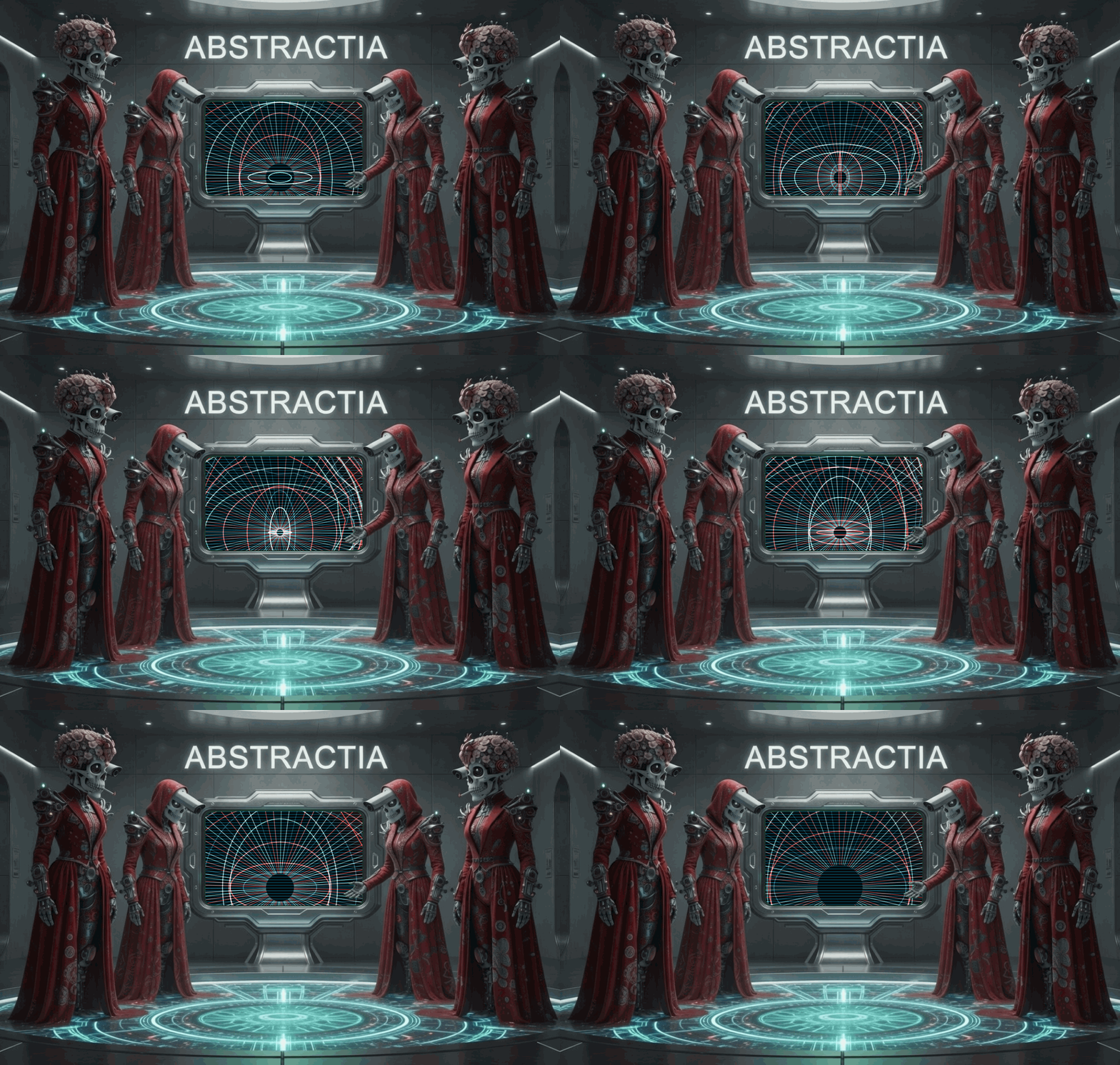
The visible controls are only the surface. Within the book, readers receive a complete rundown of each artwork’s interactive architecture—including functions not always listed in the public menus.
Digital Provanance
Every edition carries verifiable digital provenance anchored to the artwork’s origin. Ownership, authorship, and edition integrity are documented through cryptographic verification, ensuring the physical object remains permanently tied to its digital counterpart.
Collectors Edition Box
The Collector’s Edition presentation is designed as a preservation object. Structured packaging protects the hardcover while reinforcing its status as a singular art artifact. This is not commercial packaging; it is archival housing.
Secrets Reveals
The book includes a complete control map for each artwork, outlining visible commands and hidden states. Standard menus expose foundational controls, while additional off-menu parameters—intentionally embedded by the artist—are documented exclusively within the book.
In-experience Treasure Hunt
Augmented reality activation transforms the reading experience into exploration. Certain pages trigger alternate perspectives, animated sequences, and concealed system layers. Viewers are invited to navigate, discover, and unlock moments embedded within the artwork’s architecture.
Signal Your Interest
ABSTRACTIA HARD AF
A limited edition AR-activated hardcover art book documenting a living generative system. Each copy includes augmented reality activation and full control architecture documentation.
Projected collector price: $175–$300 per edition copy.
We are gathering interest to determine print allocation.
Signal below if you intend to acquire a limited edition copy.
Interactive Art
Art That's Alive
Never-ending Time-Based Art You Own, Influence And Control
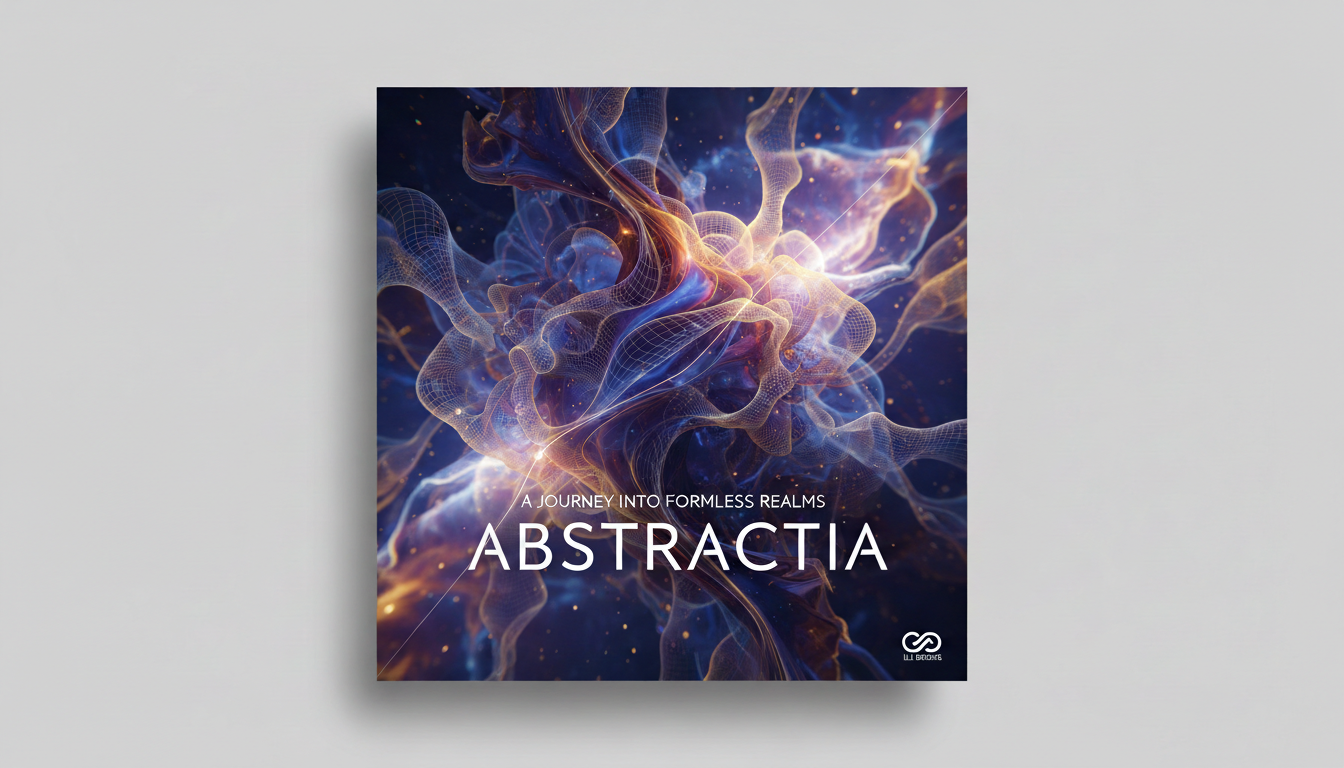
ABSTRACTIA is a limited edition augmented reality hardcover art book that documents, decodes, and extends the DNA of ABSTRACTIA. Each featured artwork is presented not only as a finished visual composition, but as an interactive architecture with defined controls, layered states, and embedded logic. Through AR activation, the static page becomes a portal—revealing motion, alternate views, and hidden system behaviors. The book functions as both collectible art object and technical map, offering a complete guide to the controls, wave systems, color logic, and concealed parameters that govern each piece. What appears on screen is only one layer. This publication reveals the rest.