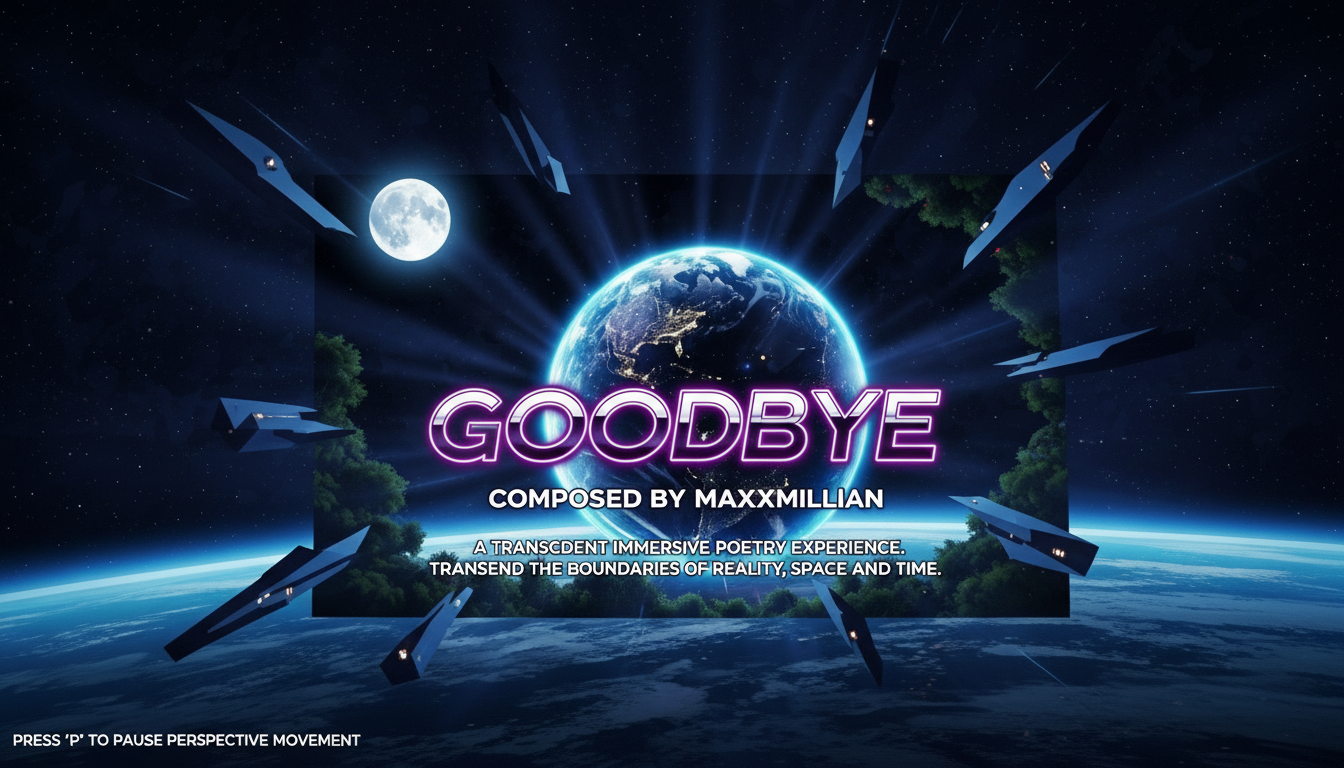
GoodBye, A 3D Interactive Poetry Performance by Maxximillian
ERC-1155
A contract for moments, not multiples.
Built on an ERC-1155 smart contract, this experience isn’t about one-of-ones or mass duplication. It’s designed for time-based, interactive works—where editions, states, and moments can coexist in a single system.
If you only know 721s, think of this as poetry that needed more than one shape to exist.
843
EDITIONS
Spelled the way “bye” lived online before autocorrect.
843 isn’t just a number—it’s a nod to early digital language, when meaning traveled faster than polish. These editions carry that same spirit: personal, imperfect, and rooted in how people actually communicated before everything was standardized.

Tech Stack
Time-based interactive poetry experience built on an 1155 smart contract by Transient Labs, on Base.
Onchain Music
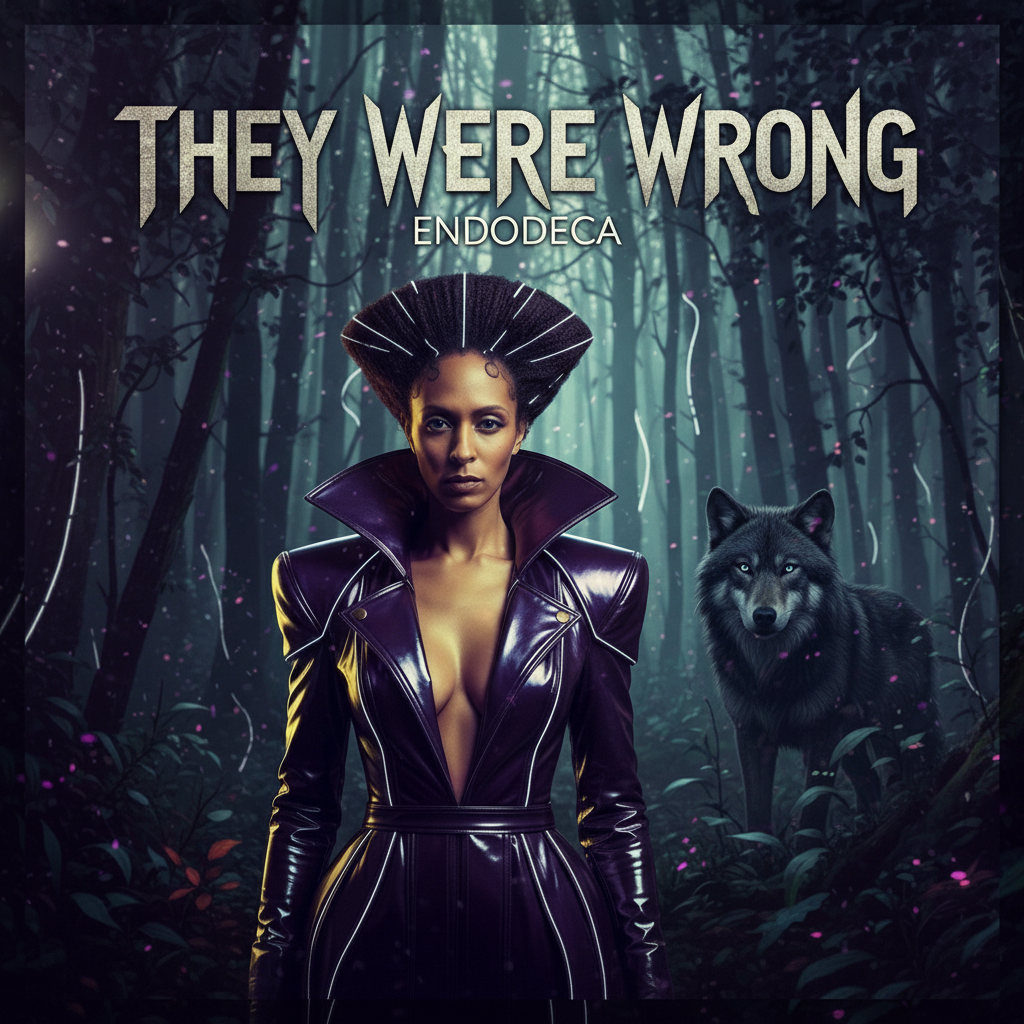
Music by ENDODECA appears courtesy of Supreme Racket Records
Commemorative Editions
Bring the message out into the world from inside the confines of your screens, large and small with physical editions to keep the conversation and performance going.
About the Poet
MAXXIMILLIAN, also known as ENDODECA, shares behind the scenes and builder walkthroughs, on creative livestreams, in demonstrations, and in interviews. Meet up with her at crypto conferences, worldwide.

Originality Is Our Leverage: Rolling Out Art, Uncompromised—That's The Vibe
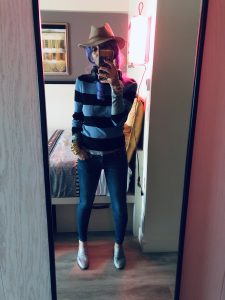 Let me tell you something that's been gnawing at me lately, something I see happening all around us in this hyper-connected, approval-obsessed world: we're killing originality, one compromise at a time. And in doing so, we're not just shortchanging ourselves—we're robbing the rest of humanity of the breakthroughs, the sparks, the raw edges that could change everything.
Originality isn’t just a nice-to-have; it’s your ultimate leverage. It’s the thing that sets you apart in a sea of sameness, the secret weapon that can propel you forward when everyone else is stuck in the echo chamber. But here’s the tragedy: too many of us dilute our genuinely unique ideas, tweak our presentations, and sand down our quirks just to chase likes, nods, or that elusive mass appeal. We think it’s smart, strategic even. I say it’s a disservice—to ourselves, to our ideas, and to the world that desperately needs them unfiltered.
Think about it with me for a moment. You’ve got this wild, original thought bubbling up inside you. Maybe it’s a new way to approach art, business, or even everyday life—something that’s never quite been done before because it’s so inherently you. It’s born from your experiences, your weird obsessions, the intersections of your life that no one else shares. But then doubt creeps in. “Will they get it?” you wonder. “What if it’s too out there? Too niche? Too… me?” So you start editing. You soften the edges to make it more palatable, add in buzzwords to sound like everyone else, or pivot toward what’s trending because, hey, quick adoption means success, right? Praise rolls in, sure—maybe even viral shares—but at what cost? You’ve traded leverage for likes. You’ve turned gold into fool’s gold.
I remember a time when I did this myself—not with some abstract tech-philosophy mashup, but right in the heart of the creator economy at YouTube Studios. An executive from another company pulled me aside one day, eyes lit up, and said, “This is exactly what YouTube needs. You’re a screenwriter with real series ideas. Go to the Studios—they’ve got the biggest cameras, the lighting rigs, the whole setup. Pitch this to the creators who already have massive audiences; help them level up into something cinematic.” He was right. I felt it in my bones. This wasn’t just a gig; it was leverage waiting to be claimed—my originality as a storyteller meeting their reach.
I walked into YouTube Studios buzzing. Here were these content powerhouses with followings in the millions, access to pro gear that most filmmakers could only dream of, and yet… the place was flooded with cat videos, prank challenges, ridiculous skits, the kind of quick-hit, algorithm-friendly stuff that ruled the day. It wasn’t bad—it was just safe, familiar, endlessly repeatable. I saw opportunity in the gap. These creators wanted more; some dreamed of acting, of telling deeper stories, of transitioning from on-camera personalities to performers in real narratives. As a screenwriter, I started approaching them one by one. I’d listen to their personal brands, their current audiences, what made them tick—and then I’d write custom series scripts tailored exactly to them. Episodic, cinematic, with arcs that could build loyalty beyond the next viral clip. Scripted content that felt like TV but lived natively on YouTube. I was convinced: pair my stories with their audiences, and we’d create something big, something that could redefine what “creator content” meant.
For six months, I hustled. I pitched, I collaborated, I refined. But the feedback wore me down. Peers, other creators, even some in the ecosystem kept nudging: “Why not just make some videos yourself? Jump in front of the camera. Do collabs, challenges, something fun and fast.” The pressure was subtle at first, then constant. The Studios vibe rewarded quick production, high volume, instant feedback loops. My vision—patient, scripted, cinematic—felt out of step. I started drifting. Instead of holding out for the right collaborators who’d take the risk on something ambitious, I let the current pull me toward making “content.” Shorts, vlogs, whatever fit the moment. It was easier. It got views. But it wasn’t what I went there to do.
Five years later? Look at YouTube now. The platform has caught the drift I was chasing back then. Creators are dropping 20-minute episodic comedies, cinematic series with real production value—shows like scripted golf comedies or challenge-driven narratives that feel more like TV than typical YouTube fare. Big names are building Hollywood-style studios in their own right, producing scripted content that rivals traditional networks. YouTube’s living-room viewing has exploded, and the algorithm rewards longer, story-driven stuff that keeps people hooked episode after episode. What I pitched as a fresh, forward-thinking idea is now happening organically, bottom-up, creator-led. The irony stings.
I will never forgive myself for cheating myself out of that leverage. For letting the noise drown my originality instead of doubling down. I should’ve kept pitching, kept writing those series, kept seeking the one creator—or handful—who saw the vision and was willing to bet on it. Eventually, someone would have. The world missed out on those stories; those creators missed out on the leap; and I missed out on being part of the shift I knew was coming. Originality is leverage, but only if you hold onto it when the crowd pushes you to conform.
So if you’re reading this and you’ve got that bizarre, unpolished idea that doesn’t fit the current mold—don’t drift. Don’t let the “just make content” chorus wear you down. Find your people, even if it takes longer. The masses might not get it at first, but the right ones will. And when they do, you won’t just get adoption—you’ll get legacy. Because the world doesn’t need more of the same. It needs what only you can bring, unfiltered and unafraid.
Wild Interactive & Immersive innovations I Built In 2025 *That Nobody Asked Me For
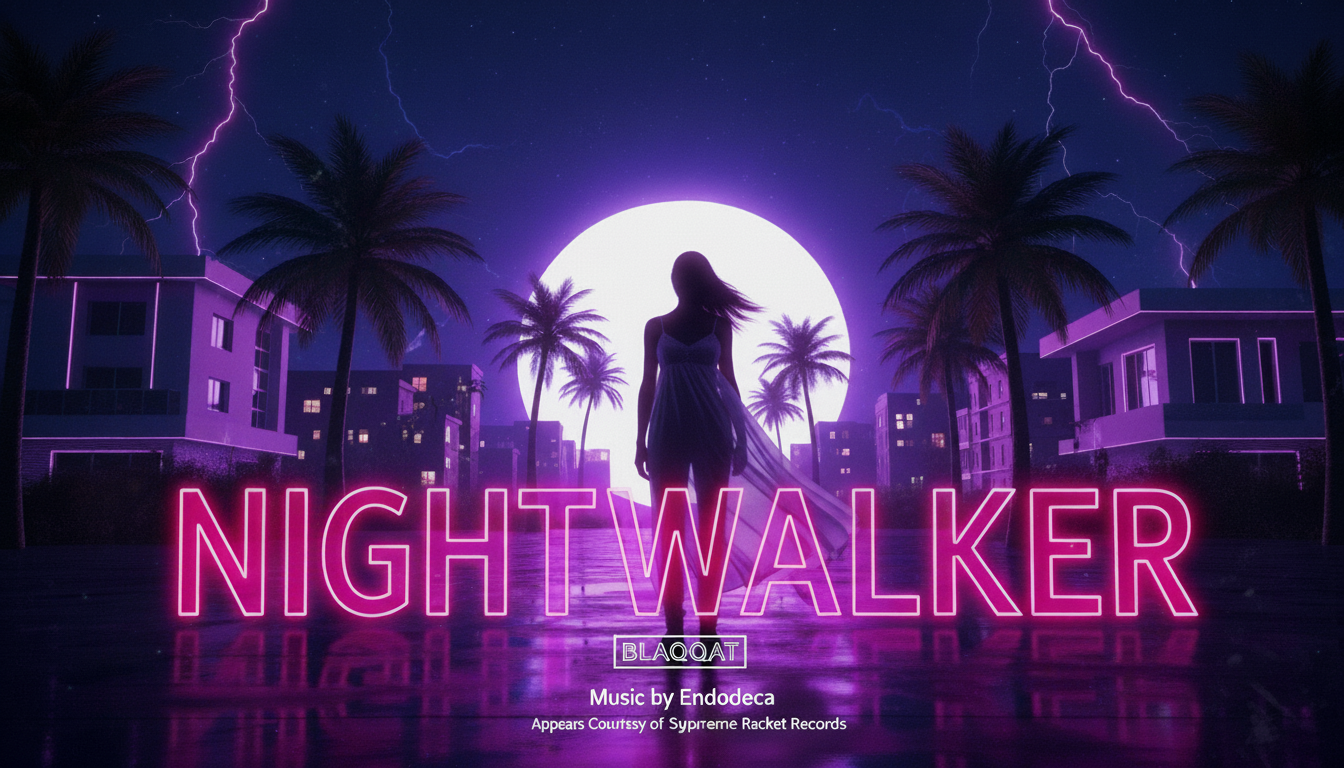
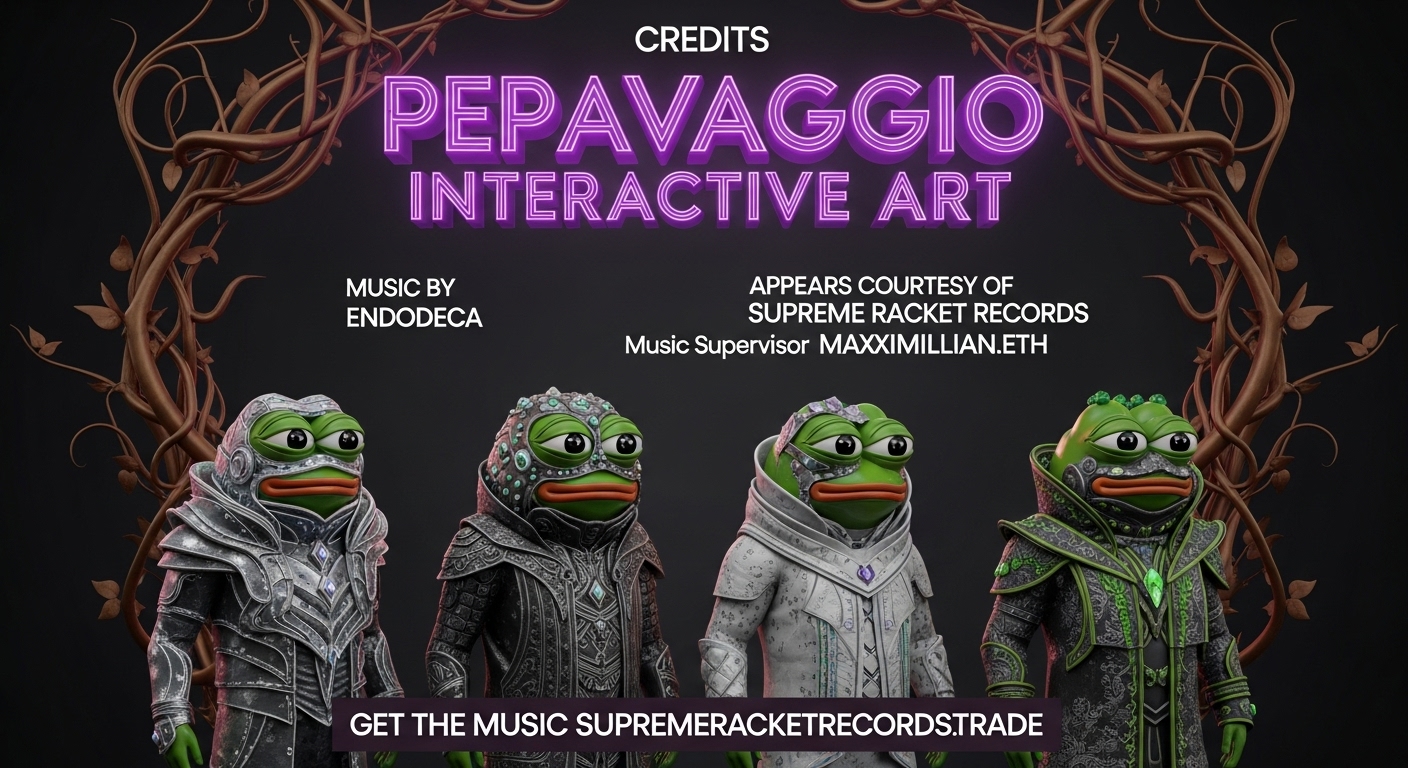
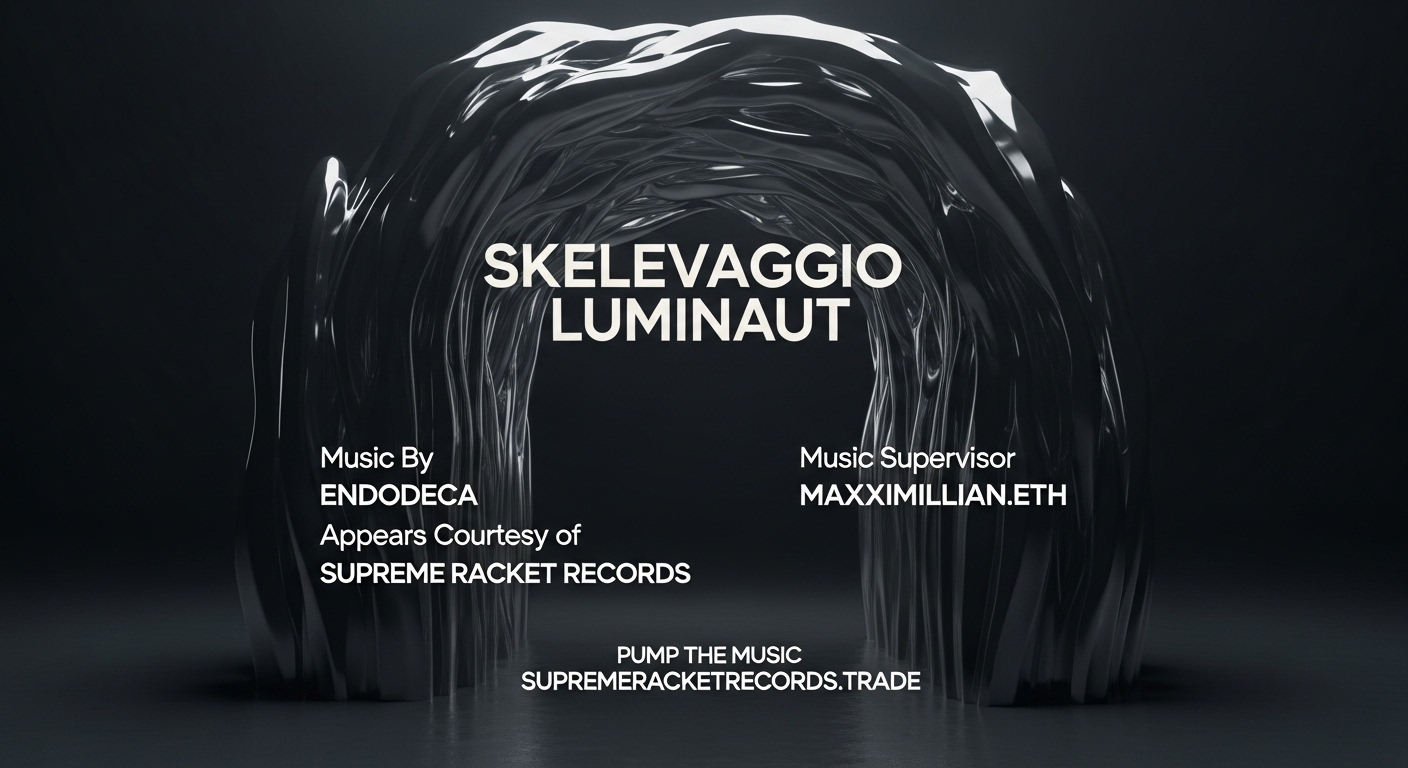
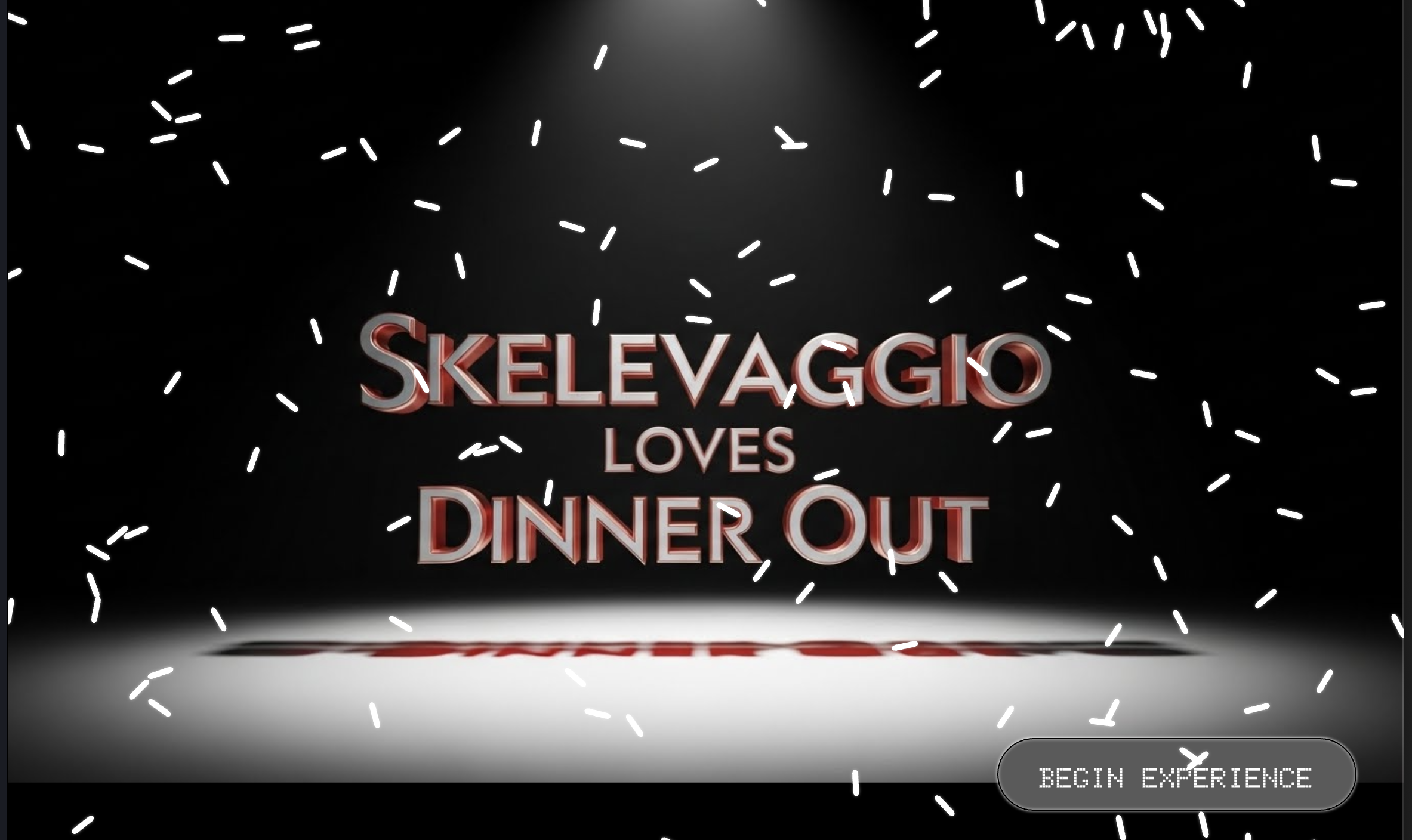
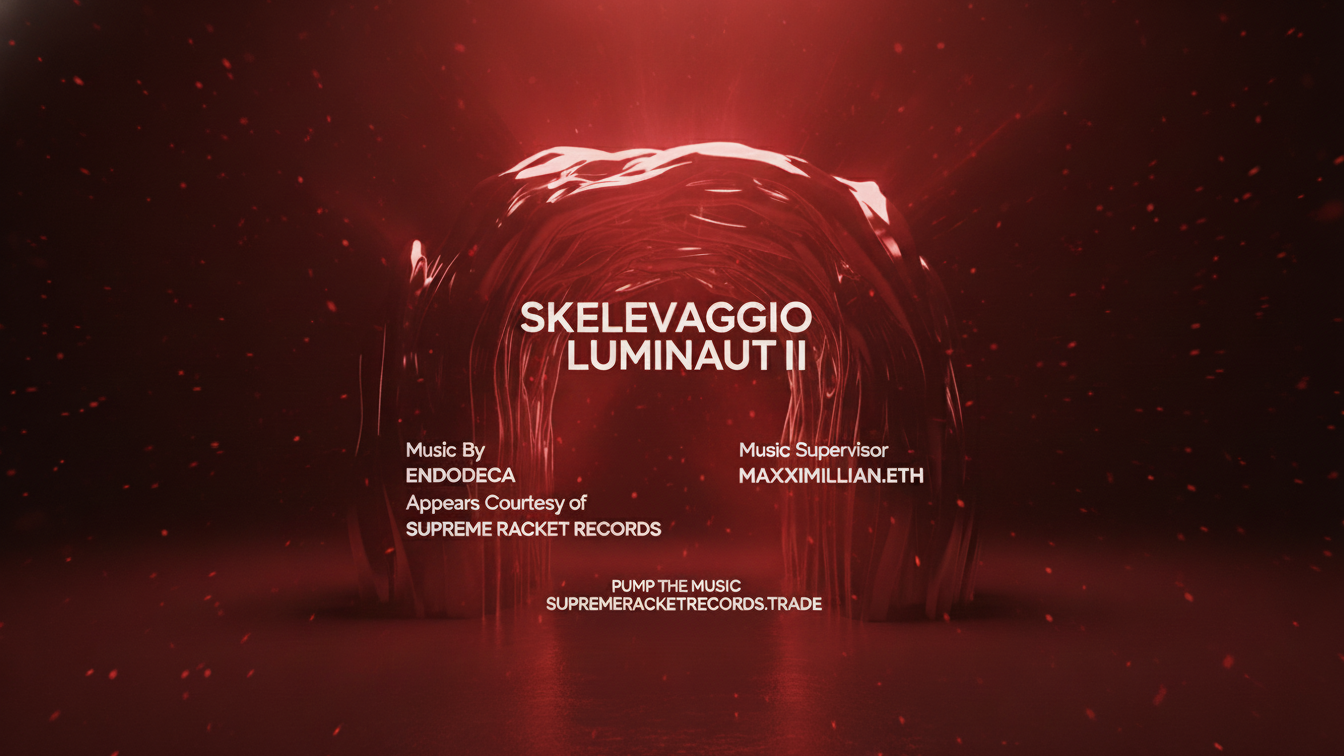
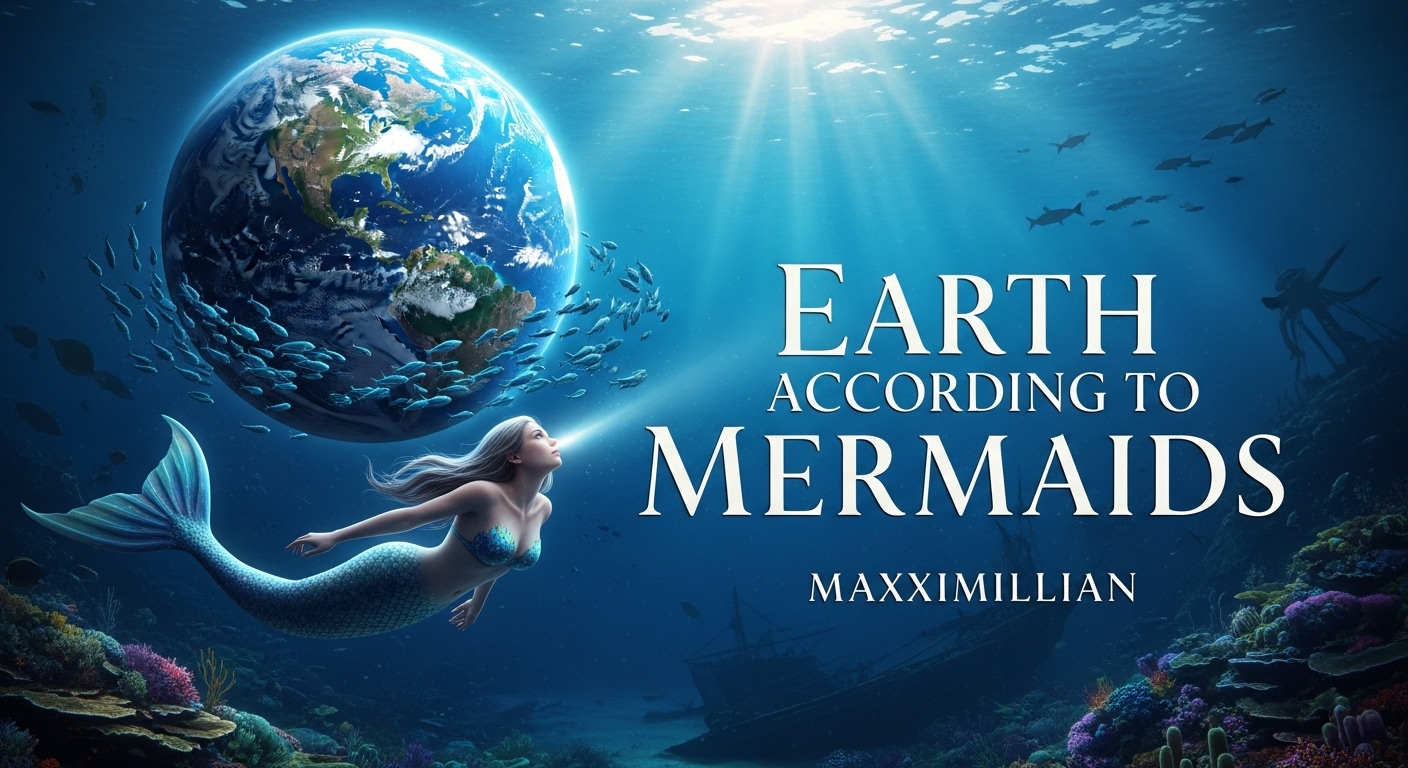
This isn’t just my story; it’s ours. We live in an era where algorithms reward conformity. Social media platforms push content that fits neatly into boxes: the motivational quote overlaid on a sunset, the productivity hack that’s been recycled a thousand times, the “hot take” that’s really just a lukewarm echo.
We’re conditioned to seek quick wins—viral threads, subscriber spikes, investor buy-in—over the slow burn of true innovation. But originality? That’s your leverage because it’s scarce. In a world flooded with AI-generated sameness and copycat strategies, being authentically unique isn’t a liability; it’s a superpower. It attracts the right people—the ones who resonate with your frequency, not the masses who skim and scroll. It builds movements, not fleeting trends. Steve Jobs didn’t revolutionize tech by polling focus groups; he leaned into his obsessive vision. Frida Kahlo didn’t paint to please critics; she poured her pain and peculiarity onto the canvas. Their leverage came from refusing to dilute what made them stand out.
Yet, we keep making the same mistake. We change our ideas in pursuit of approval, convinced that mass adoption is the goal. But quick adoption often means you’ve made something so bland it’s forgettable. True uniqueness demands patience—it might repel some, confuse others, but it magnetizes those who matter. And when it does catch on? It reshapes the landscape. Think of the indie filmmakers who buck Hollywood formulas, the entrepreneurs who ignore VC wisdom, the writers who pen unclassifiable books. They don’t just succeed; they redefine success. By holding onto their originality, they give the world something new to grapple with, to build upon. When we alter our presentations to fit the mold, we’re not just playing it safe—we’re denying the collective the gift of diversity in thought. We’re perpetuating a monoculture where ideas stagnate, and progress slows to a crawl.
So, here’s my plea to you: Stop. Stop tweaking for praise. Stop chasing the masses at the expense of your essence. Embrace the discomfort of being truly unique. Your originality is your leverage—use it. Present your ideas raw, unapologetic, and let the world catch up. Because when you do, you’re not just honoring yourself; you’re enriching all of us. The next big shift, the next cultural pivot, the next human connection—it might just start with you refusing to change a damn thing. Let’s make that our legacy.
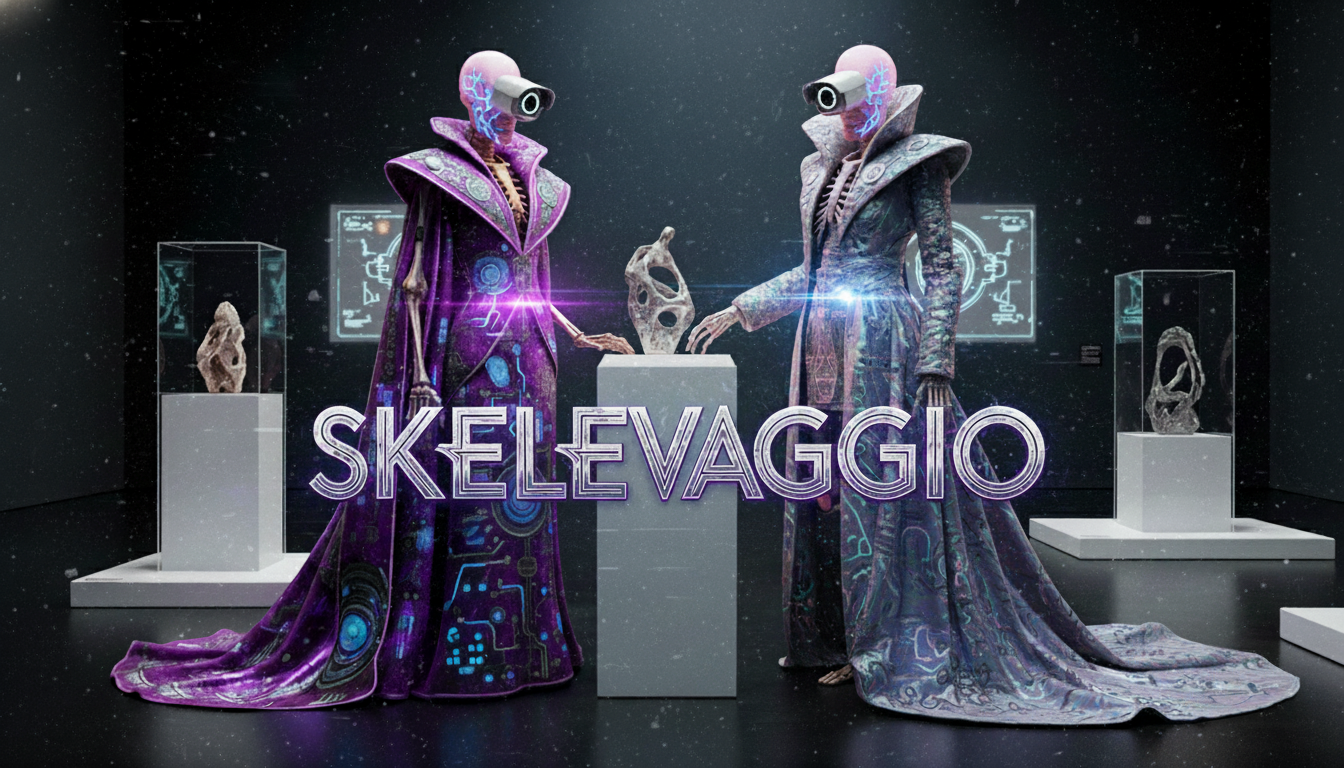
In 2025, while the world chased polished trends and brand-safe drops, I went rogue on Transient Labs, building a series of truly interactive, sound-reactive, and explorable 3D environments under the Skelevaggio and Pepavaggio aliases. These weren’t commissioned, funded, or focus-grouped. No one handed me a brief or encouraged the direction. I built them because the ideas demanded to exist—raw, uncompromised, and alive on Ethereum. They’re my proof: originality isn’t a pitch; it’s execution.
These pieces live as dynamic NFTs on Transient Labs (a platform perfect for interactive and generative art, no-code tools like their Dynamic Art Engine and Juno letting you push boundaries with 3D models, audio reactivity, and real-time evolution). They’re for sale on Ethereum—serious collectors, hit me up directly for onboarding and acquisition details (especially if this is your first piece; I’m happy to guide you through the process). No middlemen, no hype cycles—just direct from the artist.
To experience them fully: desktop is strongly recommended. Tap (or click) into each image below to load the work. Many respond to keyboard input—arrows/WASD for navigation in 3D spaces, space/enter to trigger interactions, typing for sound-reactive elements or hidden layers. Sound on for the full immersion; some environments pulse with audio that evolves as you explore.
Interactive Art & Music Experiences You Control
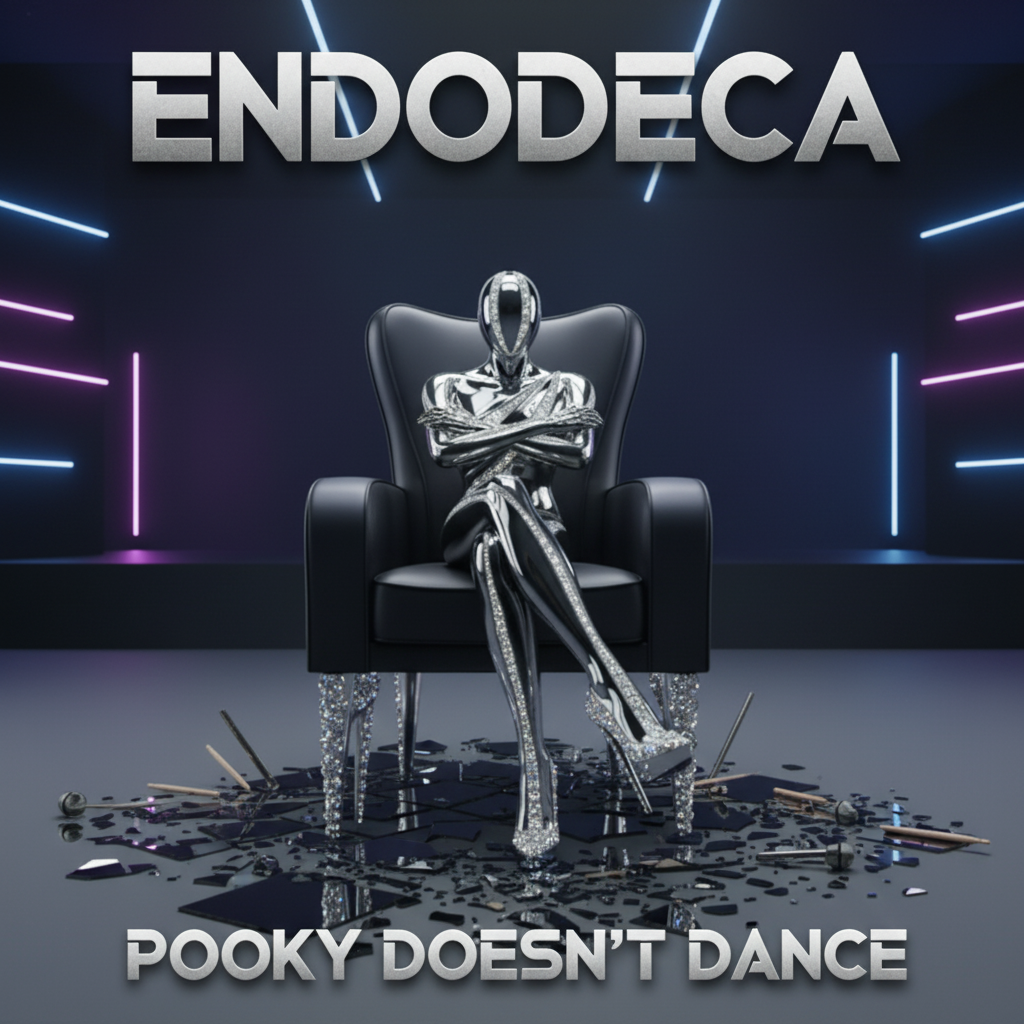
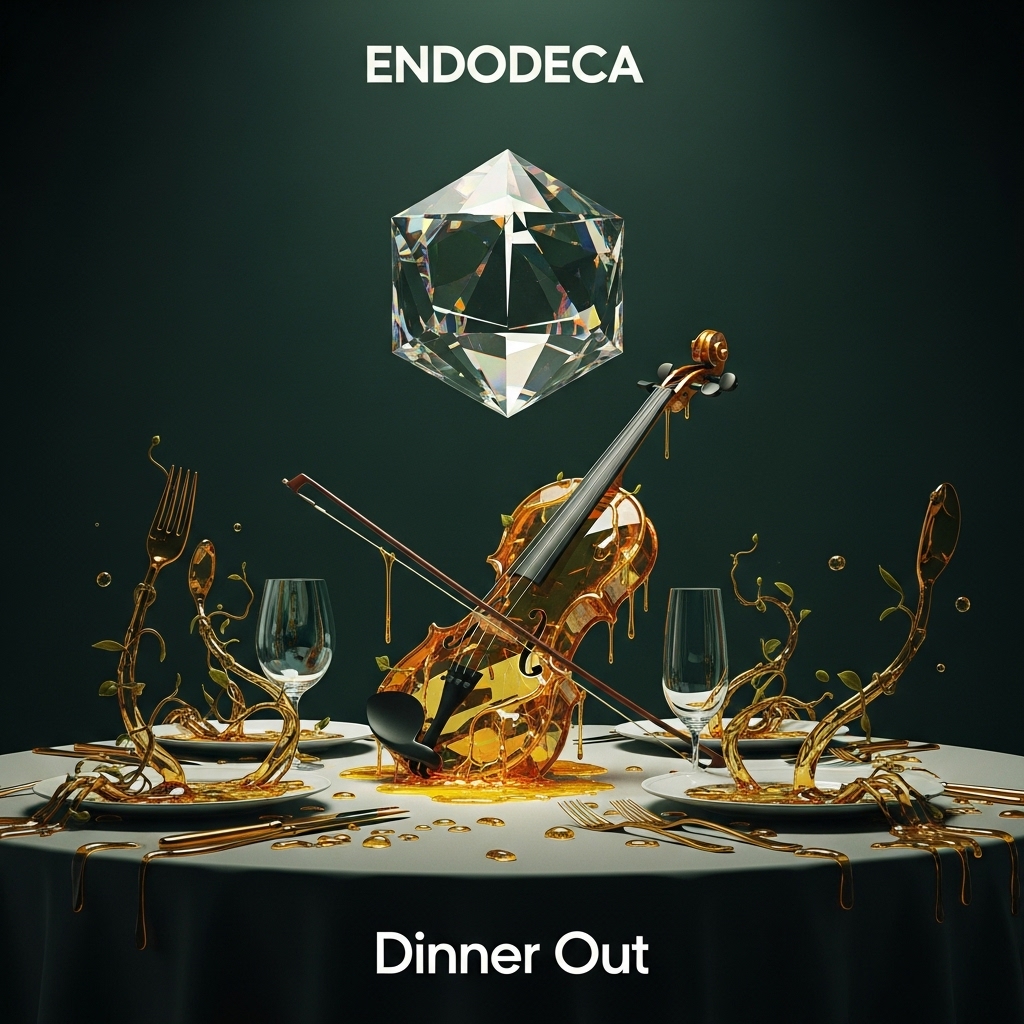
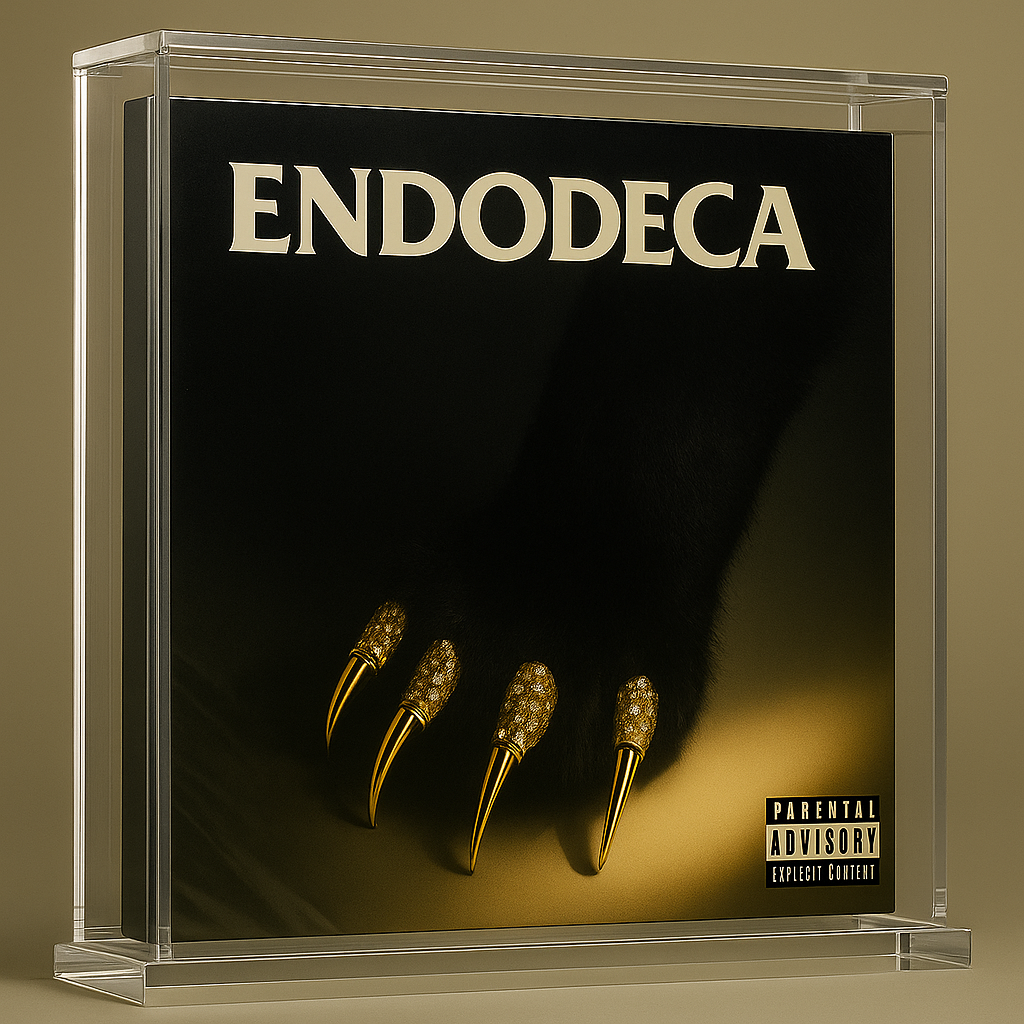
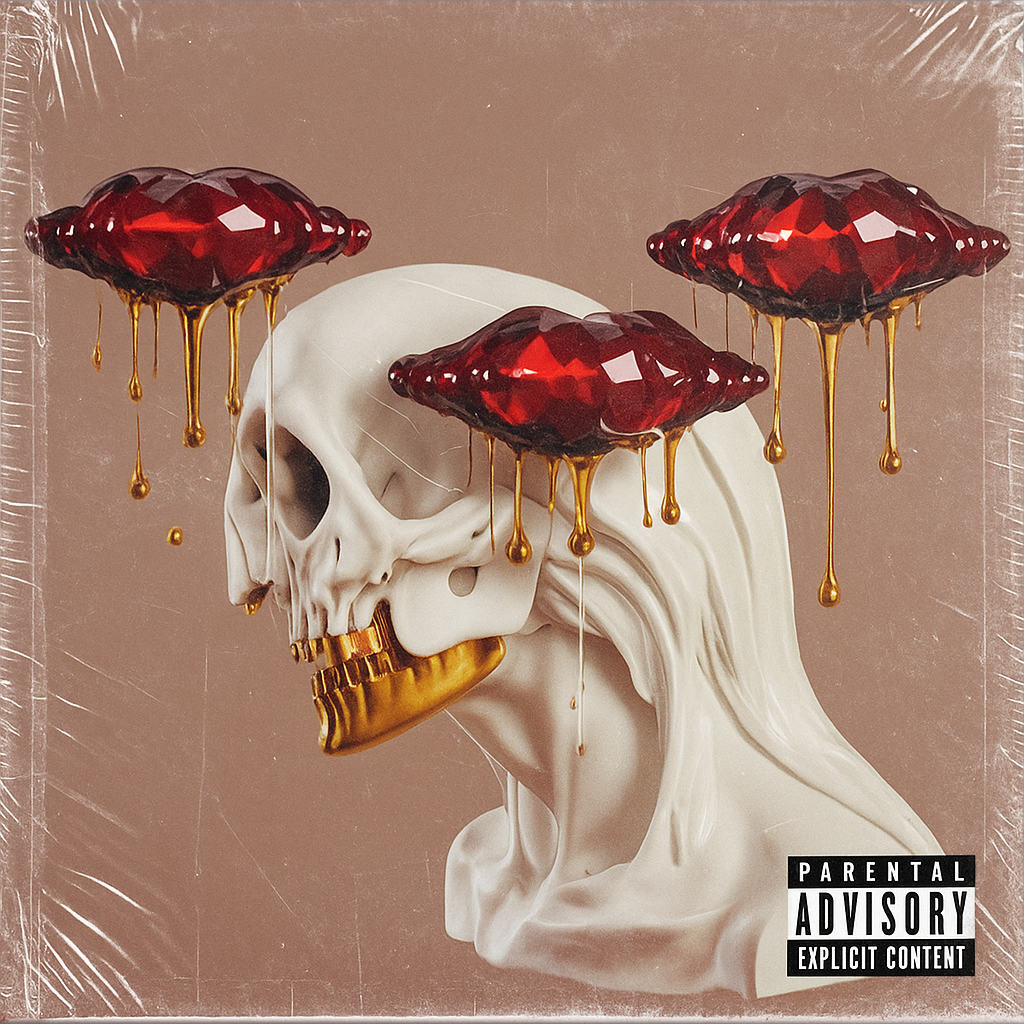
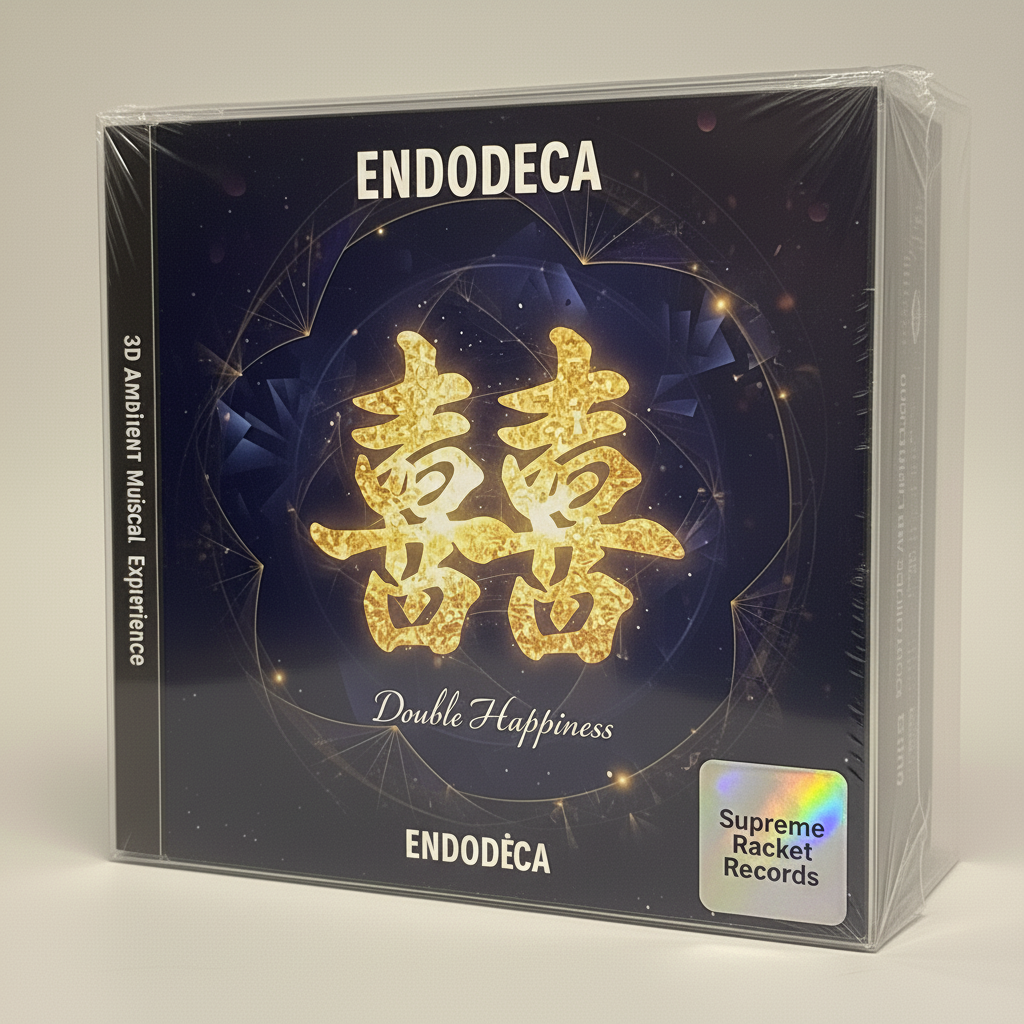
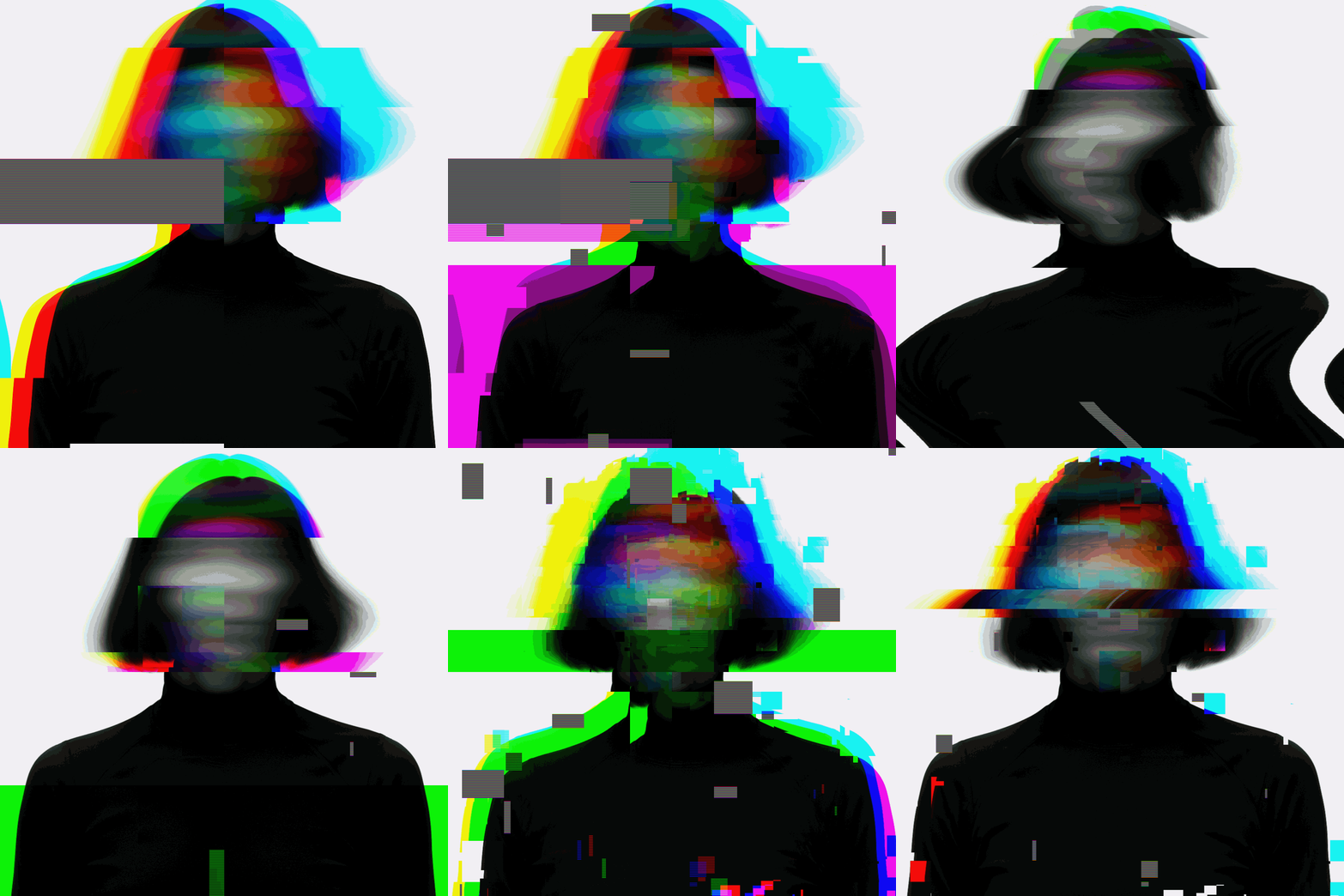
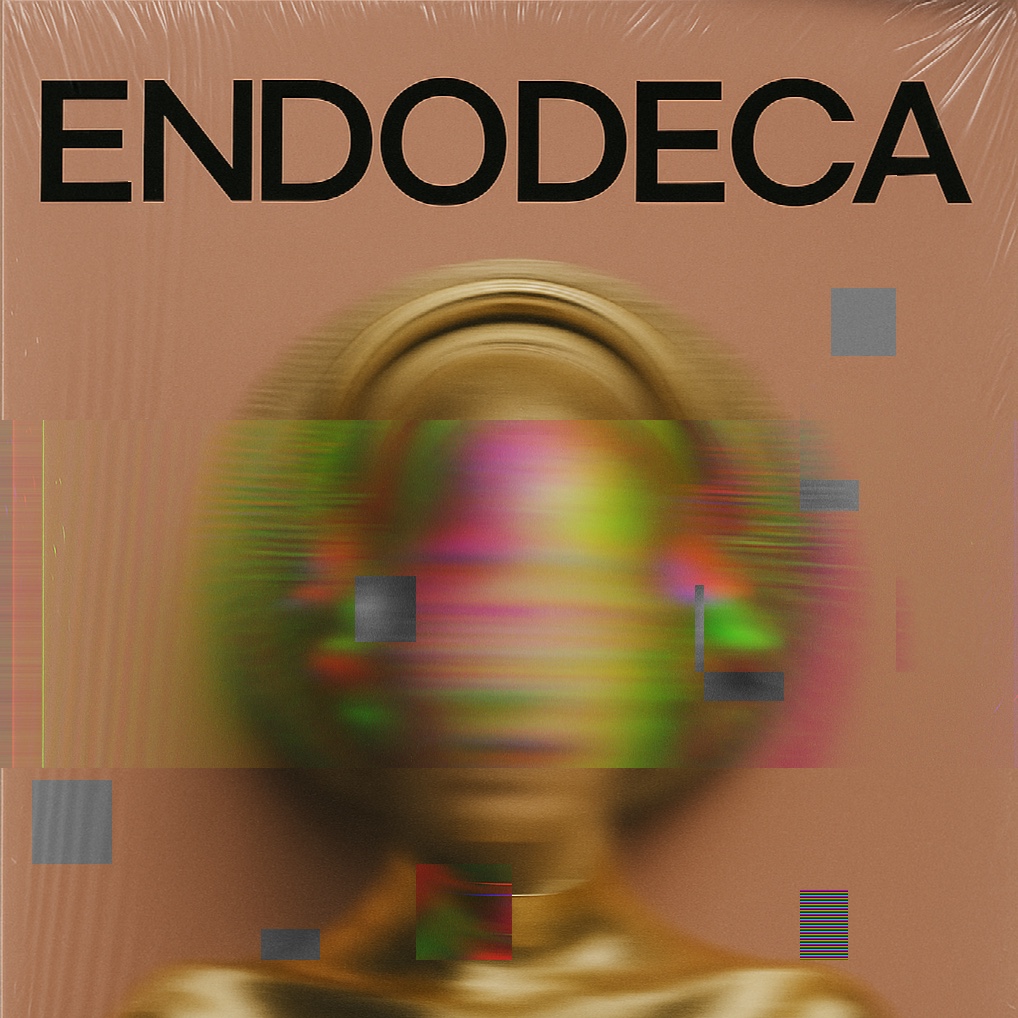
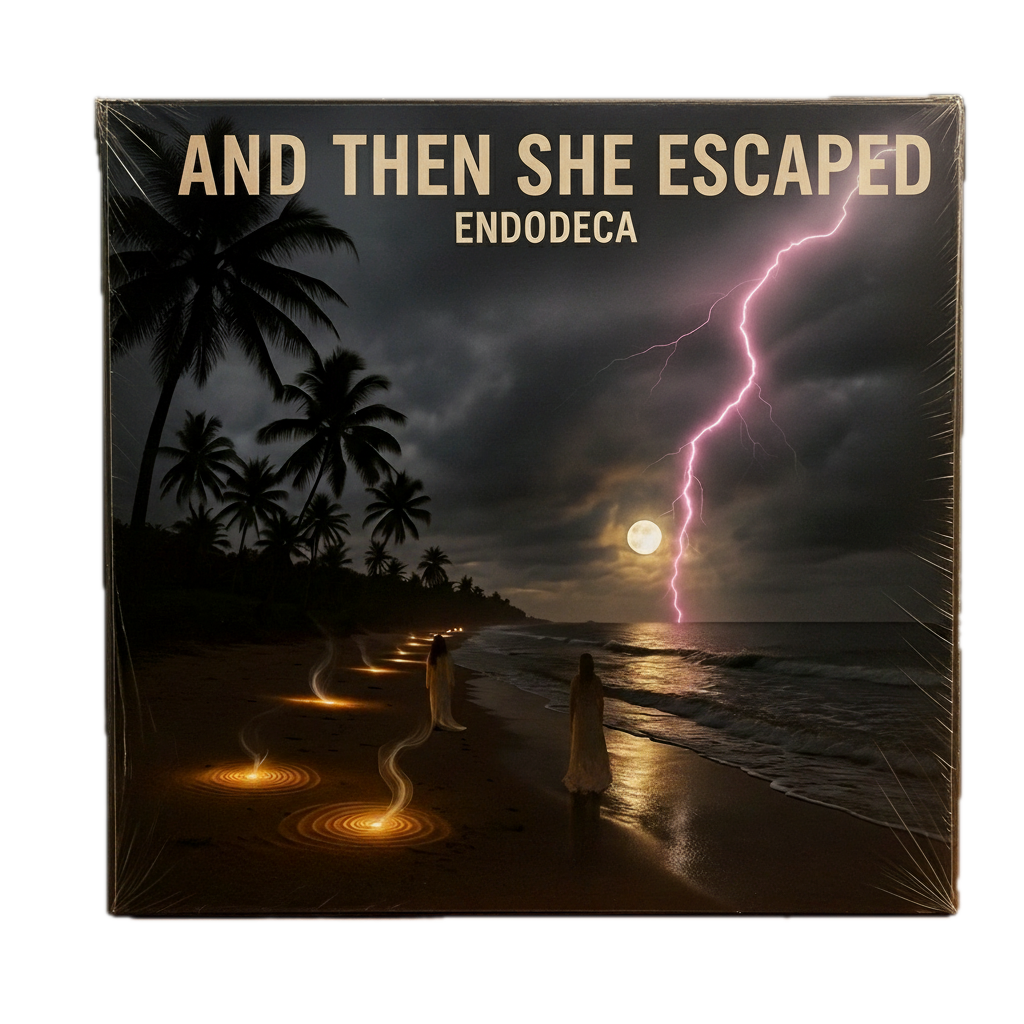
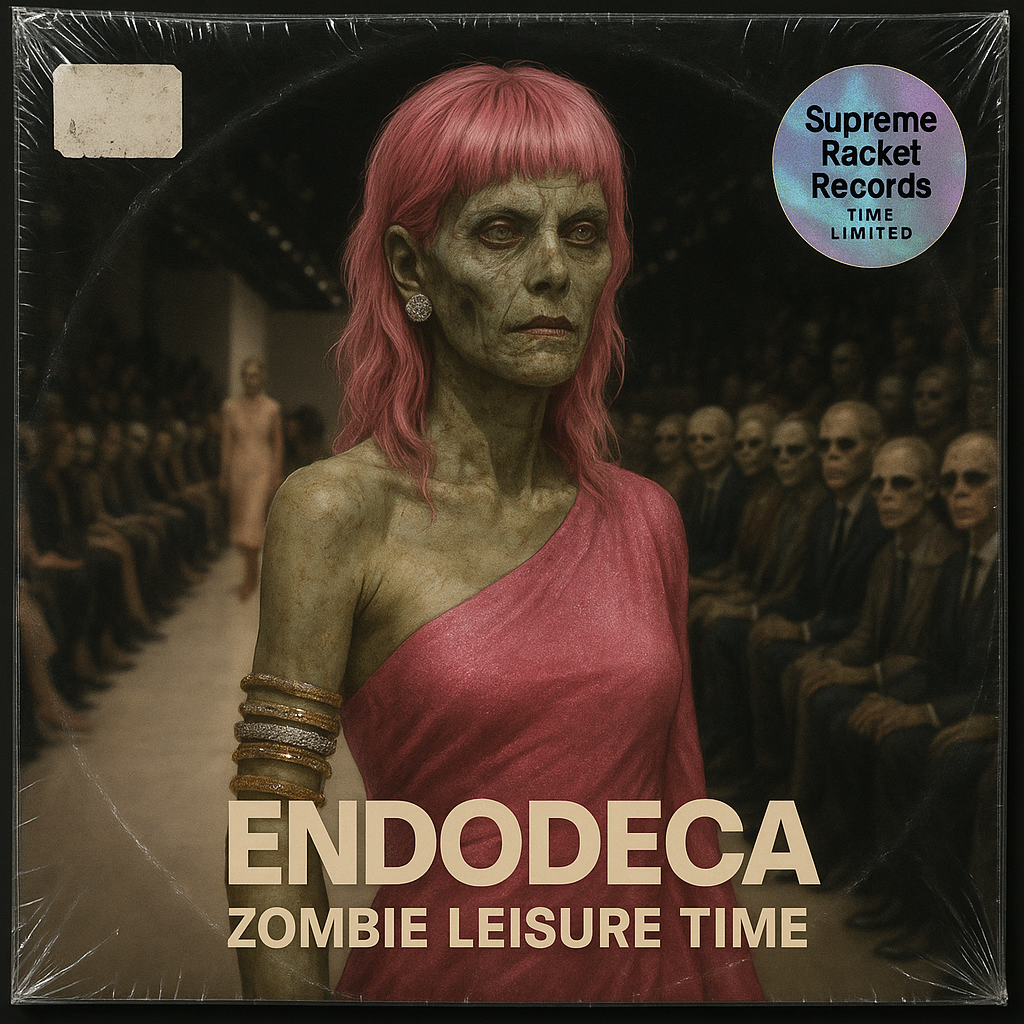
It all started with lessons hard-learned from the trenches. I cut my teeth at the most iconic record label on the planet, back when the industry was a shark tank disguised as a symphony hall. I saw firsthand how broken it was: artists begging for their own IP, battling labels over names and likenesses, waiting on some millionaire’s whim to “gift” back masters that were theirs to begin with. Why bring a knife to a gunfight? That system thrives on control, not creation. So I walked away, spent years piecing together my own path—experimenting with code, sound design, and blockchain tech to craft experiences that aren’t just passive listens or views. These are living pieces: tap in, and your keyboard or mic becomes the conductor. Arrows navigate twisted galleries, space triggers audio bursts, typing warps the visuals in real-time. Built solo, no teams or investors dictating terms, using Transient Labs’ tools for dynamic 3D and audio integration. Skelevaggio’s neon skeletons pulse to your rhythm in cosmic halls; Pepavaggio’s framed Pepes unravel stories as you poke around. It’s music and art fused into something you control, evolving with every interaction.
And the payoff? Priceless. No more lawsuits for my likeness, no groveling for rights, no labels holding my masters hostage. It’s all mine—on Ethereum, tokenized as NFTs that respect the creator economy. These aren’t locked behind paywalls for the elite; they’re accessible, but on my terms. Want in? The pieces are for sale directly on Transient Labs, or snag one via raffle by joining Supreme Racket Records—it’s free to hop in, just head to our community on Empire.world. We keep it open, no barriers, because real leverage comes from building with people who get it, not gatekeeping like the old guard.
This journey took time—nights debugging reactivity, layering in ENDODECA’s beats, ensuring every element honors the artist’s cut. But now? It’s together. A direct line from me to you, no middlemen skimming royalties or demanding concessions. If you’ve ever felt the pull to create without compromise, let this be your spark. Dive into these worlds, feel the control, and remember: your OWN originality isn’t up for negotiation or delayed expression—it’s the bridge to your empire.